Wedding anniversaries by year: names, meanings and gift ideas
Contents10 sections
- 01At a glance
- 02How to read the list
- 03Wedding anniversaries by year
- 04Gift and celebration ideas by stage
- 05The Swiss context: numbers and realism
- 06Planning an anniversary step by step
- 07Common mistakes and how to avoid them
- 08Small ideas by year
- 09Frequently asked questions
- 10Your quick guide to wedding anniversaries
Paper, cotton, leather, silver, gold: every year of marriage has its own name. This guide lists the wedding anniversaries by year, from the wedding day to the rare 80th, with ideas for gifts, decoration and small rituals. Two things are worth knowing first. The names are not standardised: in Switzerland, as in the rest of the German-speaking world, some years have several names, and some names are given to different years depending on the source. And the German names do not always match the English ones. The tenth, for example, is the tin anniversary in English but the rose wedding (Rosenhochzeit) in German. We show both, so you can plan with confidence.
At a glance
- Wedding anniversaries by year, from the wedding day to 80 years and beyond.
- The big ones explained: silver (25), golden (50) and diamond (usually 60, sometimes 75), plus many more.
- A Swiss focus: practical ideas for gifts, celebrations and decoration for each anniversary.
- Notes on regional variants, since the names differ from one tradition to another.
How to read the list
- Year: the years of marriage since the wedding.
- Name: the English name where one is customary. Where the German tradition differs, we explain the German name used in Switzerland. For years without an English name, we translate the German one, which is given in brackets.
- Meaning and idea: what the name stands for, with one or two ideas for a gift or a celebration.
A note on variants: many names are not standardised. The iron wedding (Eiserne Hochzeit), for example, is given to different years depending on the source. We list the most widespread use and note the differences.
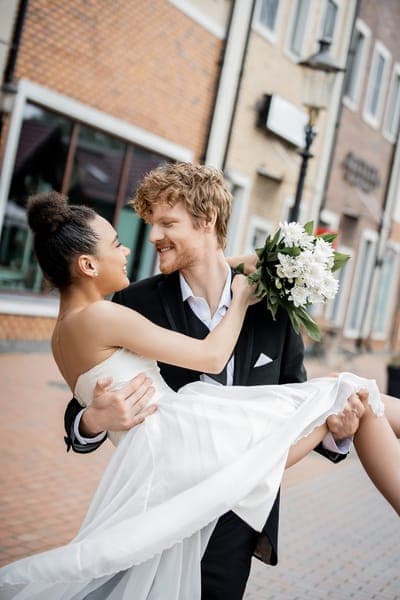
Wedding anniversaries by year
The first ten years: laying the foundations
- The wedding day (Grüne Hochzeit): in German-speaking countries, the wedding day itself is called the green wedding, sometimes also the white wedding (Weisse Hochzeit). Fresh and full of hope. Idea: frame some dried flowers from the bridal bouquet.
- 1 – Paper (Papierhochzeit): as delicate as paper, but you can write on it: note down your goals and wishes. Idea: a love letter or a photo book.
- 2 – Cotton (Baumwollene Hochzeit): stronger than paper, but still soft. Idea: personalised pillowcases.
- 3 – Leather (Lederne Hochzeit): now things get robust. Idea: an engraved leather bracelet or notebook.
- 4 – Linen or silk (Leinene or Seidene Hochzeit, also Wachshochzeit, wax): fine and delicate, a reminder to take good care of each other. Idea: a silk scarf, a candle ritual.
- 5 – Wood (Hölzerne Hochzeit): lasting and natural. Idea: an engraved wooden board, or plant a tree together.
- 6 – Sugar (Zuckerhochzeit, regionally also Ochsenhochzeit, ox): sweet touches in everyday life. Idea: a patisserie course or a dessert tasting.
- 7 – Copper (Kupferne Hochzeit): warmth and shine. Idea: copper decorations, a cocktail evening with copper mugs.
- 8 – Bronze (Bronzehochzeit): warm and lasting. Idea: a bronze figure or a garden sculpture.
- 9 – Pottery (Keramikhochzeit): malleable, yet stable. Idea: a pottery course, handmade bowls.
- 10 – Tin or aluminium: in German-speaking countries, this is the rose wedding (Rosenhochzeit): love blossoms anew. Idea: a bouquet of roses and a candlelit dinner.
11 to 20 years: maturity, rituals and depth
- 11 – Steel (Stahlhochzeit): strength and reliability. Idea: steel jewellery or a key ring.
- 12 – Silk: in German-speaking countries, this is the nickel wedding (Nickelhochzeit): resilient. Idea: a small metal accent for your home.
- 12½ – Parsley (Petersilienhochzeit): a German-speaking tradition with no English equivalent. It marks the halfway point to the silver wedding, and friends symbolically add a little seasoning to the marriage. Idea: a herb brunch.
- 13 – Lace: in German-speaking countries, this is the violet wedding (Veilchenhochzeit): modest and faithful. Idea: violets for decoration, a violet fragrance.
- 14 – Ivory (Elfenbeinhochzeit): precious and appreciative, but purely symbolic today, with the focus on ethics: no real ivory. Idea: accessories in mother-of-pearl tones.
- 15 – Crystal (Kristallhochzeit): clarity and transparency. Idea: a set of glasses, a wine tasting.
- 16 – Sapphire (Saphirhochzeit): noble and deep blue, standing for loyalty. Idea: a touch of sapphire blue, such as a scarf or a pocket square. A Swiss magazine mentions it too (see below). In English lists, sapphire marks the 45th.
- 17 – Orchid (Orchideenhochzeit): exotic, and in need of care. Idea: an orchid, with tips on looking after it.
- 18 – Turquoise (Türkishochzeit): protection and lightness. Idea: a small piece of turquoise jewellery.
- 19 – Mother-of-pearl (Perlmutthochzeit): shimmer and depth. Idea: small touches of mother-of-pearl.
- 20 – China (Porzellanhochzeit): fine, festive and fragile. Idea: a new breakfast service.
21 to 30 years: highlights of a mature marriage
- 21 – Opal (Opalhochzeit): many-layered colours: celebrate your diversity. Idea: a colourful photo book.
- 23 – Titanium (Titanhochzeit): light and extremely robust. Idea: new rings in titanium.
- 24 – Satin (Satinhochzeit): smooth and elegant. Idea: a satin cushion or sleep mask.
- 25 – Silver (Silberhochzeit): a big celebration with family and friends, often with a blessing or a renewal of vows. Idea: silver accents in the decoration or jewellery.
- 26 – Jade (Jade- or Nephrithochzeit): harmony and balance. Idea: a touch of green in the decoration.
- 27 – Mahogany (Mahagonihochzeit): a deep tone, long-lasting. Idea: a wooden frame with family photos.
- 28 – Carnation (Nelkenhochzeit): fragrance and constancy. Idea: a bouquet of carnations.
- 29 – Velvet (Samthochzeit): softness despite the everyday. Idea: a velvet cushion or album.
- 30 – Pearl (Perlenhochzeit): patience and value, like pearls. Idea: pearl jewellery, a dinner in white.
31 to 40 years: deep roots, still full of life
- 31 – Linden (Lindenhochzeit): protection and community. Idea: a picnic under the trees.
- 32 – Soap (Seifenhochzeit): humour and lightness. Idea: a soap-making workshop or a set of scents.
- 33 – Tin (Zinnhochzeit): let the patina show. Idea: a pewter jug, a well-seasoned dinner. Regionally, 33⅓ years is also the garlic wedding (Knoblauchhochzeit). In English lists, tin is the tenth.
- 34 – Amber (Bernstein- or Amberhochzeit): preserving warmth. Idea: honey-coloured candles.
- 35 – Coral: in German-speaking countries, this is the canvas wedding (Leinwandhochzeit): paint a picture together, or have one painted. Idea: a portrait on canvas.
- 36 – Emerald (Smaragdhochzeit): renewal and green. Idea: a short trip into nature. In English lists, emerald marks the 55th.
- 37 – Malachite (Malachithochzeit): protection and change. Idea: a green piece of jewellery or stone.
- 37½ – Aluminium (Aluminiumhochzeit): light and flexible. Idea: an outdoor picnic set.
- 38 – Fire (Feuerhochzeit): keep the passion alive. Idea: a fire bowl or a barbecue evening.
- 39 – Sun (Sonnenhochzeit): light and confidence. Idea: breakfast at sunrise.
- 40 – Ruby (Rubinhochzeit): deep love. Idea: a ruby-red colour theme, a renewal of vows.
41 to 50 years: classics and milestones
- 41 – Birch (Birkenhochzeit): a new beginning, freshness. Idea: white decoration, a walk in the woods.
- 42 – Garnet (Granathochzeit): strength and energy. Idea: a garnet gemstone.
- 43 – Lead (Bleihochzeit, regional): protection and shielding. Idea: protective symbols in the decoration.
- 44 – Topaz (Topashochzeit): truthfulness. Idea: light blue accents.
- 45 – Sapphire (Saphirhochzeit, regionally also at 16): precious and loyal. Idea: a touch of blue.
- 46 – Lavender (Lavendelhochzeit): calm and fragrance. Idea: lavender bags.
- 47 – Cashmere (Kaschmirhochzeit): soft and warm. Idea: cashmere accessories.
- 48 – Amethyst (Amethysthochzeit): clarity of mind. Idea: violet decoration.
- 49 – Cedar (Zedernhochzeit): resilience. Idea: a set of scented wood.
- 50 – Golden (Goldene Hochzeit): the great classic. Fifty years are often celebrated in church or with a festive blessing. Gift ideas: golden accents, a family chronicle.
51 to 60 years: rare anniversaries with great meaning
- 51 – Willow (Weidenhochzeit): flexible and tough. Idea: decoration with baskets.
- 52 – Fruitwood (Obsthölzer-Hochzeit, regional): harvesting the years. Idea: donate a fruit tree.
- 53 – Uranium (Uranhochzeit, regional and symbolic): durability, purely as a metaphor.
- 54 – Zeus or Jupiter (rare): dignity and protection.
- 55 – Emerald: in German-speaking countries, often the platinum wedding (Platinhochzeit), a regional name that some give to a later year: exceptionally durable.
- 56 – Aster (Asternhochzeit): late-flowering magic.
- 57 – Azalea (Azaleenhochzeit): care and beauty.
- 58 – Angel (Engelshochzeit): gratitude.
- 59 – Grace or Mercury (Gnaden- or Merkurhochzeit, regional): humility and walking the path together.
- 60 – Diamond (Diamantene Hochzeit): rare and radiant. Today it is usually celebrated after 60 years. Idea: a family celebration with grandchildren and great-grandchildren.
61 to 70 years: from diamond to grace
- 61 – Elm (Ulmenhochzeit): steadfast.
- 62 – Aquamarine (Aquamarinhochzeit): calm and clarity.
- 63 – Mercury (Quecksilberne Hochzeit, symbolic): staying agile.
- 64 – Chrysanthemum (Chrysanthemenhochzeit): a late autumn bloom.
- 65 – Blue sapphire: in German-speaking countries, this is the iron wedding (Eiserne Hochzeit), which some regions celebrate at 60, 70 or 75 instead: unbending.
- 66 – Jupiter (Jupiterhochzeit, rare): the protection of a lucky star.
- 67 – Snowflake or stone (Schneeflocken- or Steinhochzeit): calm in constancy.
- 68 – Granite (Granithochzeit): unshakeable.
- 69 – Moonlight or white gold (Mondschein- or Weissgoldhochzeit): a gentle glow.
- 70 – Platinum: in German-speaking countries, this is the grace wedding (Gnadenhochzeit): gratitude for a life lived together.
71 to 80 years and beyond: rare and awe-inspiring
- 71 – Zinc (Zinkhochzeit): a protective layer.
- 72 – Aluminium or maple (Aluminium- or Ahornhochzeit): lightness and a sweet note.
- 73 – Adamant or onyx (regional): rock-solid.
- 74 – Selenium (Selenhochzeit): a gentle radiance.
- 75 – Crown jewels or diamond (Kronjuwelenhochzeit or Diamantene Hochzeit, regional): in some places, this is when the diamond wedding is celebrated. Variants are common.
- 76 – Cypress (Zypressenhochzeit): dignity and a long life.
- 77 – Star (Sternenhochzeit): looking up at the sky.
- 78 – Ebony (Ebenholzhochzeit): rare and precious.
- 79 – Coffee or memories (Kaffee- or Erinnerungshochzeit): sharing stories.
- 80 – Oak (Eichenhochzeit): majestic and steadfast, usually celebrated in a small circle.
In short: from about 25 years on, the main anniversaries (silver, gold and diamond) are the ones celebrated most. In between, the material names are symbols of what couples look after: constancy, care and warmth, rather than perfection.
Gift and celebration ideas by stage
1 to 10 years: personal and playful
- Personal keepsakes: a photo book, a letter looking back on the year, your first family recipe.
- Experiences rather than things: a ceramics workshop, a short trip, a picnic in the living room.
- Budget tip: CHF 50 is enough for a "date kit" of candles, dessert and a playlist.
11 to 25 years: rituals and small renewals
- Crystal, sapphire or china: table decoration in the matching colour.
- Parsley wedding (12½ years): friends organise a surprise brunch.
- Silver wedding: a small blessing or a renewal of vows, a speech by the family.
26 to 50 years: milestones with family and friends
- Jade, mahogany or pearl: a colour theme for the invitations and decoration.
- Golden wedding: a family chronicle, or donate a tree for your garden or your community.
- Tip: add a "memory table" with photos and anecdotes to the seating plan.
51 to 80 years and beyond: gratitude and accessibility
- Celebrate quietly: afternoon coffee, music from your years together.
- Plan for accessibility: short distances, plenty of seating, warm food.
- Diamond or grace wedding: collect video messages from the grandchildren. Unforgettable.
The Swiss context: numbers and realism
In Switzerland, around two in five marriages end in divorce, and at the time of divorce, marriages have recently lasted around 15 to 16 years on average. A Swiss magazine, the Beobachter, puts it with a wink: couples who reach their sapphire wedding (16 years) have already done well by the statistics, and after that, opal (21) and jade (26) become realistic goals. Source and further reading: Beobachter (in German).
Remember: anniversaries are milestones, not obligations. What counts is the meaning, not the formalities.
Planning an anniversary step by step
1. Choose the year and the name
- Use our list, and bear in mind the regional variants (the iron wedding, for example).
- Decide which name suits you. There is no right or wrong.
2. Setting and budget
- CHF 0 to 100: celebrate at home, with DIY decoration and your favourite food.
- CHF 100 to 500: a restaurant meal or brunch with the family, with a little live music.
- CHF 500 and more: a hired room, live music, a photographer or videographer. You can find venues, musicians and photographers on Hochzeitsuche.
3. Guests
- Small (2 to 10 people) for intimate anniversaries up to about 20 years.
- Medium (20 to 50 people) from the silver or pearl wedding.
- Large (50 people or more) for the golden, diamond or grace wedding, depending on health and mobility.
4. Programme
- 60 to 90 minutes of reception (photos, anecdote cards).
- 20 minutes for a speech, a toast or a blessing.
- 60 to 120 minutes for the meal, with music.
- 30 minutes to look at the memory table together.
5. Decoration and symbols
- Use the anniversary's colour or material subtly: on napkins, candles or the cake.
- Choose a symbol (a tree, a heart, a ring) as a recurring element.
6. Keeping the memories
- A photo corner, a guest book, an audio guest book recorded on a smartphone.
- Send thank-you cards with your favourite photo one or two weeks later.
Common mistakes and how to avoid them
- Expectations that are too rigid: an anniversary is an invitation, not an obligation.
- Overloading the day: plan realistically, with mobility, noise levels and travel in mind.
- Taking the names too seriously: variants are normal. Choose what suits you.
- Too much decoration, too little feeling: a good speech beats expensive pomp.
- Not sharing out the tasks: let children and grandchildren contribute (music, photos, hosting).
Small ideas by year
- 1 (paper): swap love letters, write a bucket list for the year ahead.
- 5 (wood): plant a tree, have breakfast boards engraved.
- 10 (roses): a red-roses dinner, a renewal of vows.
- 15 (crystal): have glasses engraved, plan a wine trip.
- 20 (china): breakfast with a white dress code.
- 25 (silver): a silver cake, a photo timeline from your wedding day to today.
- 30 (pearl): a dress code in white and mother-of-pearl, a photo shoot on the shore of a lake.
- 40 (ruby): a red theme, a dance evening with your favourite songs from the 80s and 90s.
- 50 (gold): golden accents on the standing tables, a family chronicle bound as a book.
- 60 (diamond): a living-room matinee with music by the grandchildren, and lemon cake.
Frequently asked questions
What are the most important anniversaries called?
The silver wedding marks 25 years, the golden wedding 50 years and the diamond wedding, today, usually 60 years (in some regions 75).
Why do the names differ from source to source?
There is no binding standard. The names have grown over time and differ from region to region, which is why some are given to several years (the iron wedding, for example). The English and German traditions also differ in places: the tenth anniversary is tin in English, but roses in German.
Where can we find a neutral overview of the names and their history?
Wikipedia is a good starting point: the German article Hochzeitstag (in German) lists the German names with sources and variants, and the English article on wedding anniversaries covers the English ones.
Which gifts always work?
Personal keepsakes (a letter, a photo book), something that picks up the anniversary's material or colour, and shared experiences (a short trip, a concert, a special meal).
Your quick guide to wedding anniversaries
Anniversaries make the years of a marriage visible, from paper to silver and gold to diamond. The list by year gives you a sense of direction, but the names vary from region to region. What matters is giving the day meaning: a short blessing, a speech, a ritual you share. Whether it is your golden or your diamond wedding, the strongest moments are personal, thoughtful and true to your life together.